[ad_1]
Over the spring, both the Tampa City Council and the Hillsborough County Commission approved a nonbinding memorandum of understanding with the Tampa Bay Rays that would provide close to $1 billion in public funds for a new Rays ballpark across from Raymond James Stadium.
In recent days, however, both elected bodies have been more skeptical about the deal. The Tampa City Council had approved the MOU by a 4-3 vote, with the intention of approving the Community Redevelopment Agency’s (CRA) participation last week. When they met, however, they voted 5-2 to push the vote back to August. Members of the County Commission are also sounding cooler about the project.
What changed is that the state legislature, meeting in special session, approved an amendment to the state constitution that will reduce local property taxes and constrain local government activities.
As local officials look at the prospect of decreased property tax revenue, they are wondering whether committing their governments to years of stadium funding makes sense. The city council recently kicked the Community Redevelopment Agency (CRA) vote on the MOU to August, citing “recent developments in Tallahassee.”
Commissioner Boles, who had voted yes on the MOU, has also been expressing some doubts, requesting more information about the expected fiscal impact of the ballot measure before the next Commission meeting.
Promising cost relief to Florida homeowners, the initiative would cut property taxes for homeowners and commercial property owners alike. If it’s approved, this referendum will reduce the amount collected by local governments, with Hillsborough County losing between $320 million (as estimated by the Florida Policy Institute) and $560 million (the county’s own estimate). The city of Tampa, which has a much smaller budget, estimates it will lose $78M a year.
Here is an edited version of the ballot language (barring a successful legal challenge):
Exempts the first $250,000 of a homestead’s value from taxation for all levies other than school district levies …..Requires local governments to use remaining property taxes solely for core public needs including public safety, education and schools, infrastructure, and natural resources. ….Limits future property tax
assessments on businesses [from a 10% to a 5% cap]
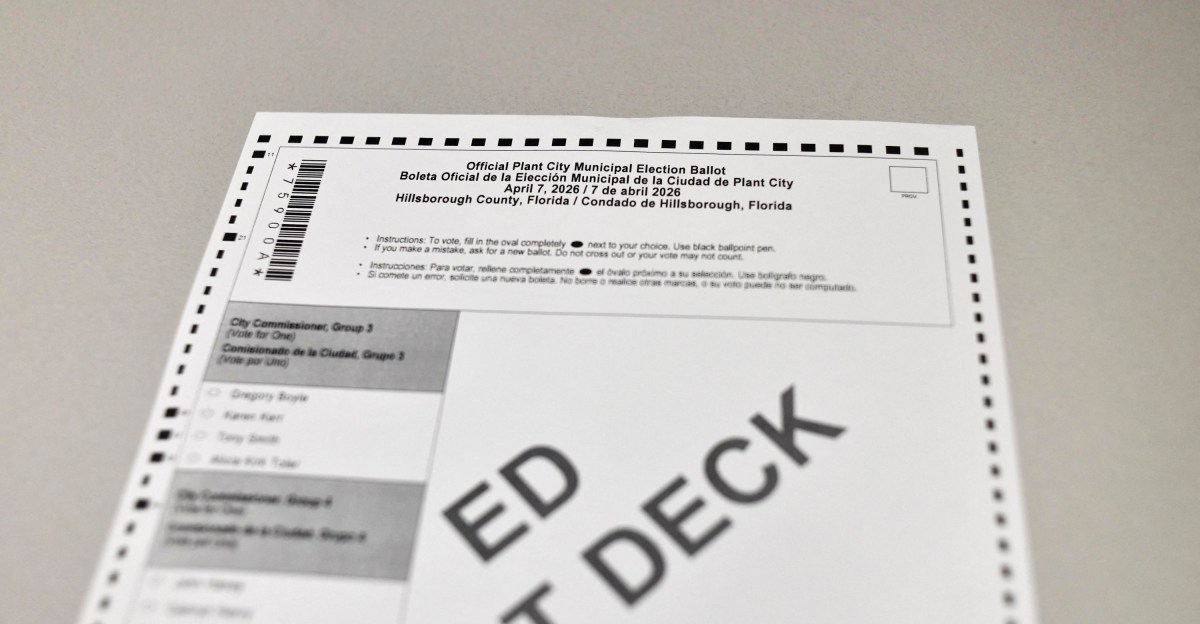
In Florida, changes to the constitution must be ratified by the voters, so this will appear on the November ballot, where it would need to get 60% of the vote to be adopted. Around two-thirds of Floridians are homeowners, and others would like to become homeowners, and most people will jump at the chance to save money, so there is a good chance that this will become law.
It makes sense, then, that elected officials need to anticipate how they will continue to run their cities and counties given this loss of revenue.
This will impact the proposed Rays deal in several ways, paraphrasing Donald Rumsfeld:
The “known knowns” – CRA property tax impacts
The City of Tampa’s contribution to the stadium include around $100 million backed by anticipated Community Redevelopment Area revenues. To refresh your memory, CRA funds are generated when the property tax collections within the area increase from a starting baseline.
Earlier, those negotiating the deal projected that the development generated by the stadium and larger project would create new, taxable economic activity. If the referendum passes, however, anticipated property tax increases would need to be revised downward. Homesteaded residential properties would have a substantially higher exemption, eliminating any payments from some less expensive housing. Multi-family and commercial development would still be taxed, but the annual tax increases would be capped at 5%, which would then limit the growth in property tax revenue that would have funded the stadium. The city needs to figure out whether they can still cover the anticipated debt service with these new limits on property tax revenues.
The “known unknowns” — pretty much everything else
In addition to the specific impact on CRA revenues, a decrease in property taxes collected means the city and county will be looking to other sources to backfill some expenditures once funded through property taxes. They will surely want rethink some of the CIT and even hotel taxes committed to the stadium to make sure won’t be cutting key services in order to provide subsidies to the Rays owners.
And it’s not just about the amount of money. The referendum requires that local governments only use property taxes for “core services.” At this point we know that includes first responders, schools, and roads, but it’s not clear what else. This raises the question of whether property taxes can be used at all to fund a professional sports stadium, which is clearly not a core service. Would the state create an exception that would allow CRAs to have more flexibility to spend their money? The legislation says nothing about this, so it remains an open question. At present, however, we don’t know whether such spending would be legal, and I can understand why a local government would want to slow walk any commitments until they fully understood the potential impact of this constitutional amendment.
Let’s say further analysis indicates that the specific funding sources proposed for the public part of the Rays stadium will be only marginally impacted by the amendment. Smooth sailing then, right?
Well, imagine you are a county commissioner or a city councilor presiding over next year’s budget after this amendment is adopted. You have to cut services and investments simply to account for lower property tax revenues. You also need to identify non-core services — maybe libraries, parks or urban design initiatives, homeless services — and see whether can move those off the property tax ledger and fund them in some other way. If you can’t, those get cut too.
So, no public swimming pools, no community art classes, no libraries, you explain to your constituents. Sorry about raising fees on building permits and picnic area rentals, but we need find ways to pay for these services. It’s hard on everyone.
But that $1B in public money for the stadium? Well, that’s still on.
You must admit, even if you are a big supporter of the Rays stadium proposal, that this would be a terrible position for an elected official to be in.
Florida: we can’t figure out what we want
Governor Ron DeSantis is never quiet about his preferences.
So we know, thanks to his visit to Hillsborough County, and a number of his public statements, that he very much wants our local governments to support the effort of his friend, owner Patrick Zalupski, to build a stadium for the Rays. He even made an entire state college campus available for this development!
But we also know that he’s been pushing the legislature to place a property tax reduction amendment on the ballot, claiming that local government budgets are bloated and local governments are too activist. He’s advocated for this amendment to force municipalities to scale back on their activities.
So…do we want local governments to have small budgets and limited responsibilities? Or do we want them to have a few billion dollars they can contribute to professional sports facilities?
[ad_2]
Source link