[ad_1]
The judge presiding over the landmark House v. NCAA case has denied a motion to intervene that was filed by Houston Christian University last month.
HCU filed a motion to intervene on June 20, arguing that the university’s financial interests were not adequately represented by the proposed terms of the House settlement that was agreed to in May. The settlement terms, which are expected to be formally submitted later this week to Judge Claudia Wilken in the Northern District of California for preliminary approval, include a future revenue-sharing model directly from schools to athletes as well as more than $2.75 billion in back-pay damages the NCAA will owe to former Division I athletes who were previously barred from earning name, image and likeness (NIL) compensation.
Should those settlement terms be approved, an overwhelming portion of those back-pay damages are expected to be distributed to former power-conference athletes, according to sources briefed on the settlement. HCU’s motion to intervene stemmed from dissension among smaller Division I schools and conferences arguing a lack of input in the settlement negotiations and disproportionate financial responsibility.
“We’re in a position where we believe this raises some issues of fiduciary responsibility,” HCU general counsel Tyler Boyd told The Athletic last month. “We first and foremost want our interests to be heard.”
Houston Christian, formerly known as Houston Baptist University, is a Division I school and FCS football program that competes in the Southland Conference. In a court filing supporting HCU’s motion to intervene earlier this month, the university argued it learned after the initial settlement agreement between the NCAA, power conferences and plaintiff attorneys representing college athletes that HCU “would have to pay approximately $3,000,000 over ten years for ‘backpay damages,’ despite no evidence that HCU deprived anyone of name, image, or likeness rights.”
In denying HCU’s motion, Judge Wilken wrote that “HCU has not shown that it satisfies the requirements for permissive intervention” and that HCU lacks standing to object to the settlement agreement because “it is not a class member.” The former college athletes who are part of the class-action case will have an opportunity to object if the settlement is ultimately approved. Wilken also noted that HCU cannot “re-package the arguments” in support of its motion once the settlement is filed because it will still be a non-class party.
GO DEEPER
What to know about House v. NCAA settlement and a historic day for college sports
Had it been granted, the motion would have essentially added HCU as a defendant to the case alongside the power conferences and the NCAA at large, which would have opened the door for other universities to do the same and potentially force the settlement back to the negotiating table.
While the broader implications are initially unclear, it seems as though Wilken’s denial could block similar paths for other universities to raise similar objections.
“We respect the judge’s decision but we will be looking at our options,” Boyd told The Athletic on Wednesday.
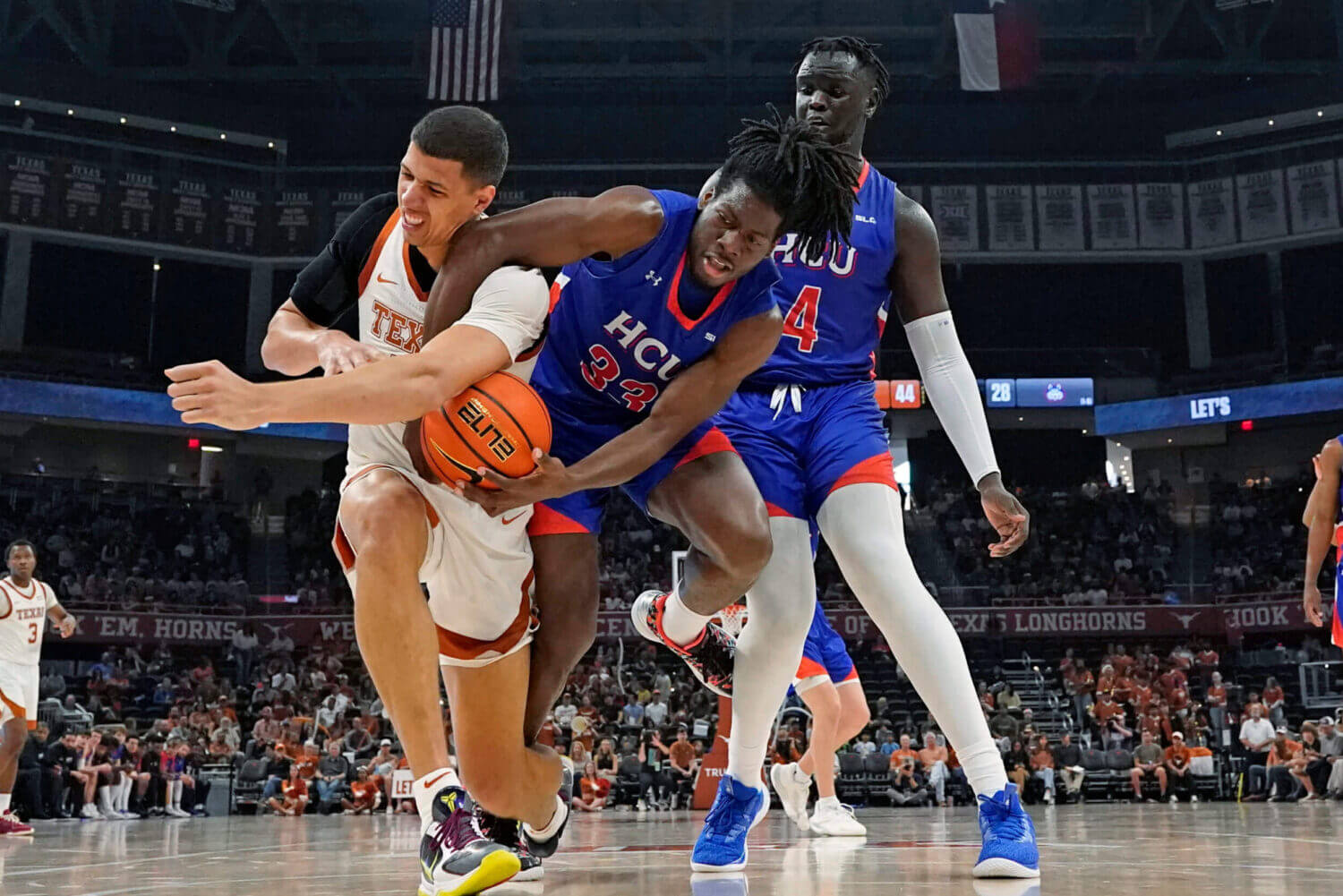
(Photo: Scott Wachter / USA Today)
[ad_2]
Source link